
What We’re Protecting
What people love can tell us something important about who they are, where they belong, and how they move through the world.
At Antioch University New England, faculty members and doctoral candidates are studying music fandom as a meaningful site of psychological inquiry. Their work explores communities formed around Bruce Springsteen, Taylor Swift, and the Jonas Brothers, not as cultural curiosities, but as places where people develop identity, process experience, build relationships, and find connection.
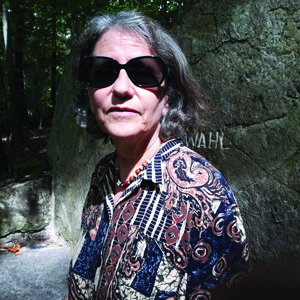
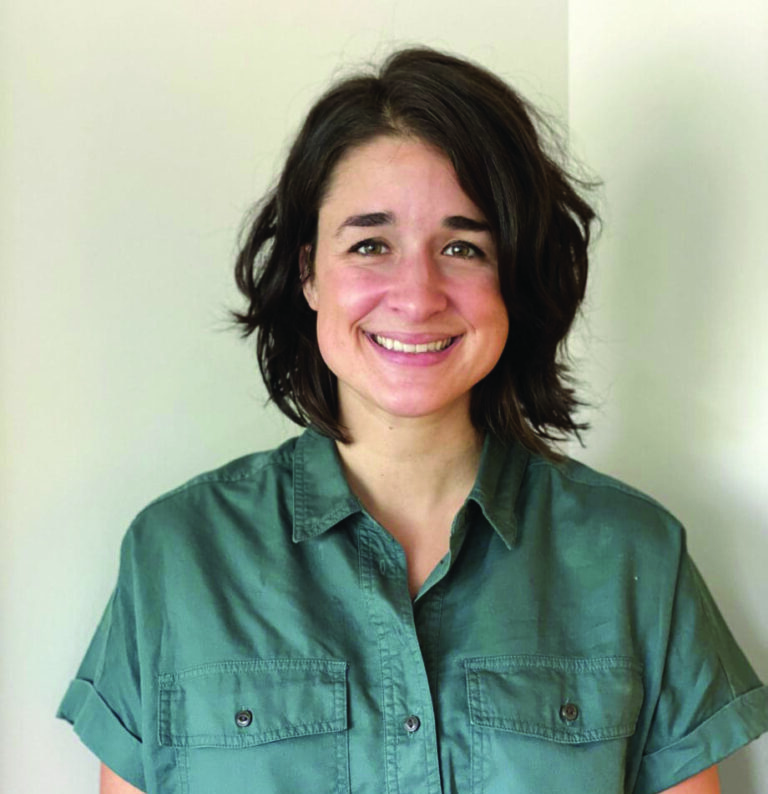
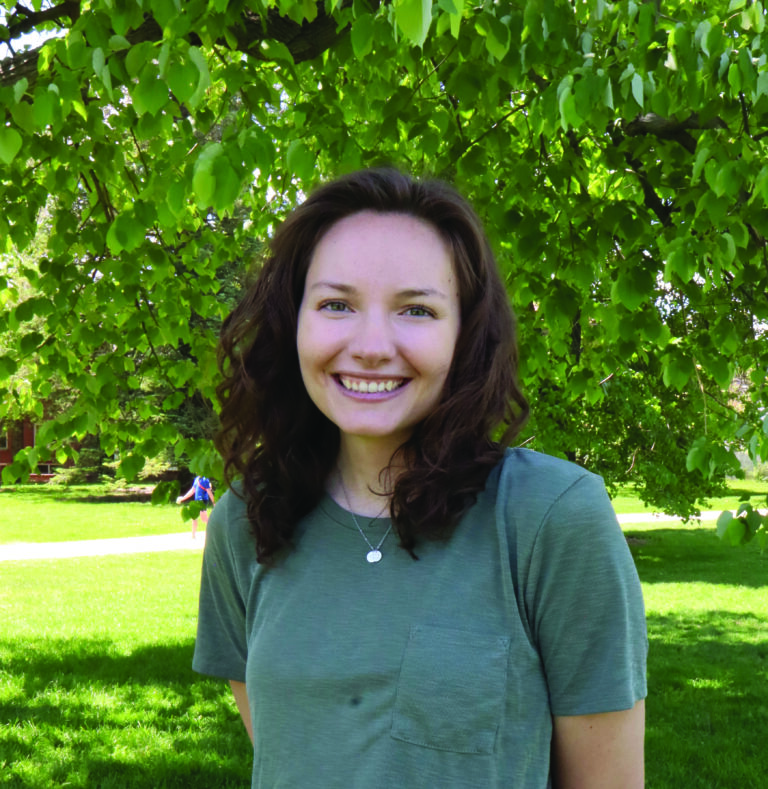
Faculty members Lorraine Mangione and Rachel Chickerella, alongside doctoral candidates Taylor Hardock and Samantha D’Anna, are examining questions involving gender, sexuality, attachment, loneliness, parasocial relationships, creativity, and belonging.

The topics may be familiar, but the questions are consequential. How can music help people understand themselves? What do online fan communities offer people exploring identity? How do relationships with public figures affect loneliness and emotional well-being? How might a client’s interests help a therapist understand what gives that person meaning?
Antioch’s PsyD programs encourage students to treat their authentic interests and lived experiences as potential scholarly assets. Students are not asked to leave important parts of themselves outside the research process. They learn to examine those experiences critically, ethically, and with academic rigor.
Personal curiosity becomes the beginning of a larger inquiry. Researchers explore how people find community, express identity, and create meaning together. The knowledge they develop can then help clinicians listen more closely and understand their clients more fully.
This is one of Antioch’s distinctions. We take people seriously, including their interests, communities, and cultural experiences that traditional scholarship may overlook.
Antioch’s autonomy preserves the intellectual freedom to pursue questions because they illuminate human experience, not because they fit neatly within established academic boundaries. It allows students and faculty to follow curiosity toward knowledge that can make clinical practice more responsive and humane.
This is how we keep Antioch, Antioch: by protecting the freedom to ask unexpected questions and discover why their answers matter.