
What We’re Protecting
Mission and management are not competing priorities. For institutions that serve the public, each depends on the other.
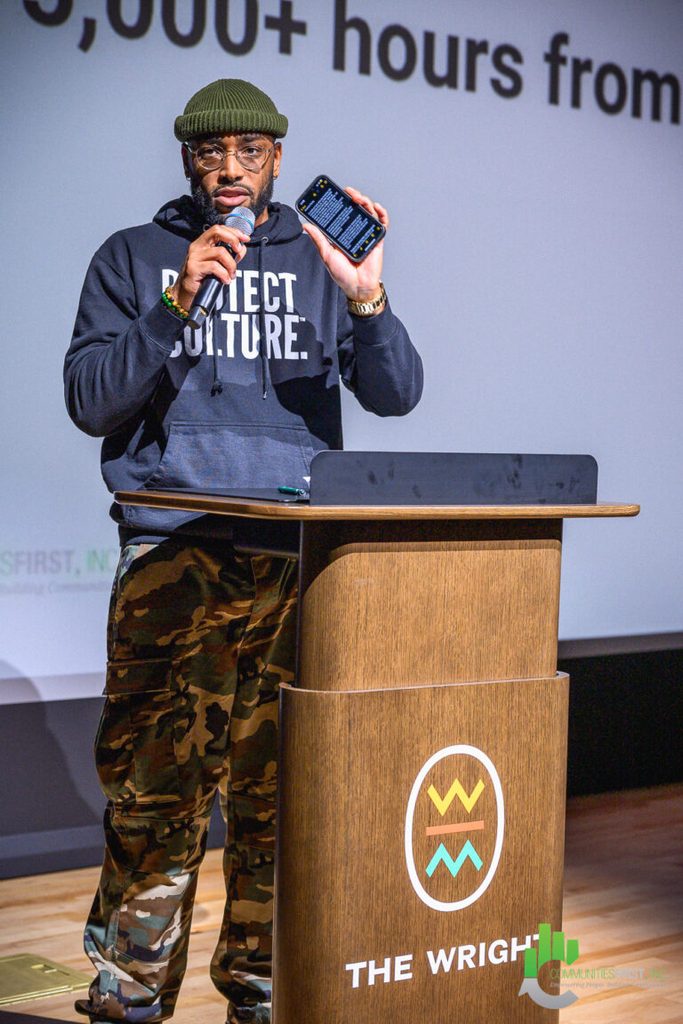
Antioch MBA alum Lance Wheeler brings that understanding to his work as Vice President of Learning and Engagement at the Charles H. Wright Museum of African American History in Detroit. As a public historian, museum practitioner, and nonprofit leader, he helps create experiences that connect visitors with African American history and with their own place within it.
That work carries particular weight at a time when cultural institutions are navigating political polarization, financial pressure, and public disagreement over how history should be taught and remembered.
Wheeler believes museums must be willing to engage with difficult history rather than avoid it. They must also have the operational strength to sustain that work. Educational vision alone cannot keep an institution open. Cultural organizations need sound strategy, responsible financial management, resilient teams, and leaders who can align daily decisions with a larger mission.
That realization led Wheeler to Antioch’s MBA program. He is applying business strategy, innovation, and Triple Bottom Line thinking to the museum field as he prepares to lead cultural institutions at the executive level.
His own history informs the leader he is becoming. His work creates opportunities for others to locate themselves within stories that have too often been excluded or distorted. The management skills he is developing help ensure that the institutions that carry those stories remain strong, accountable, and available to future generations.
This is Antioch’s approach to graduate management programs. Business knowledge is not treated as an end in itself. It becomes a tool for strengthening organizations, serving communities, and protecting work that matters.
Antioch’s autonomy allows us to educate leaders who question narrow definitions of organizational success. Financial sustainability matters. So do accountability, representation, community trust, and public impact.
This is how we keep Antioch, Antioch: by preparing leaders who can sustain institutions without losing sight of why those institutions exist.